Buy Yeti Mushrooms | True Albino Teacher Potency
$ 93.18
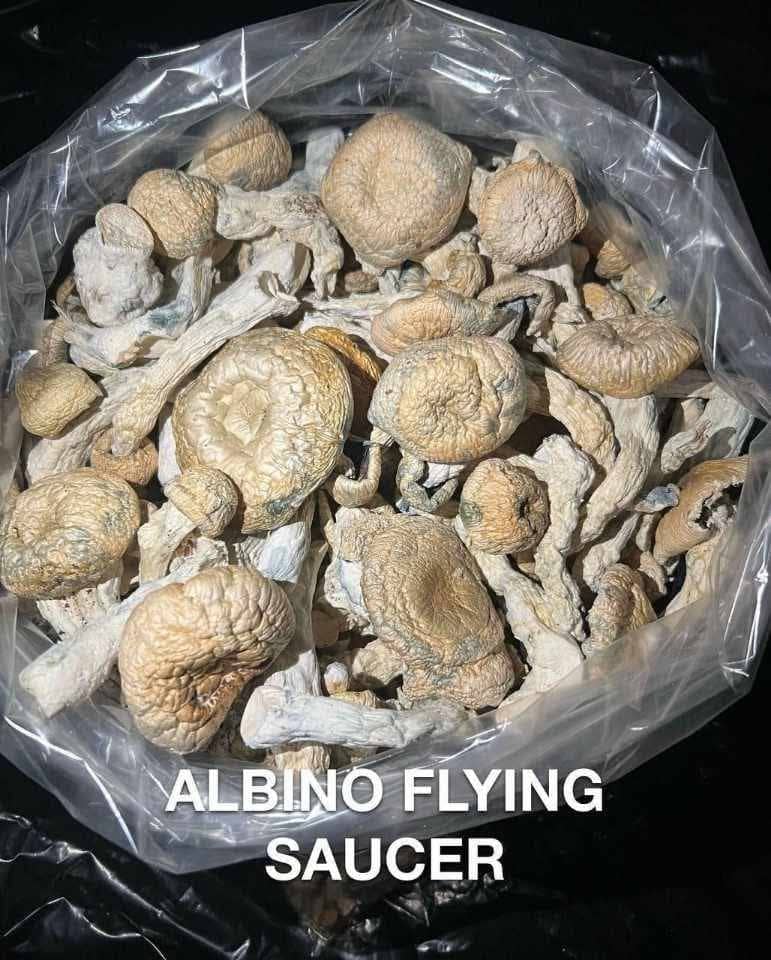
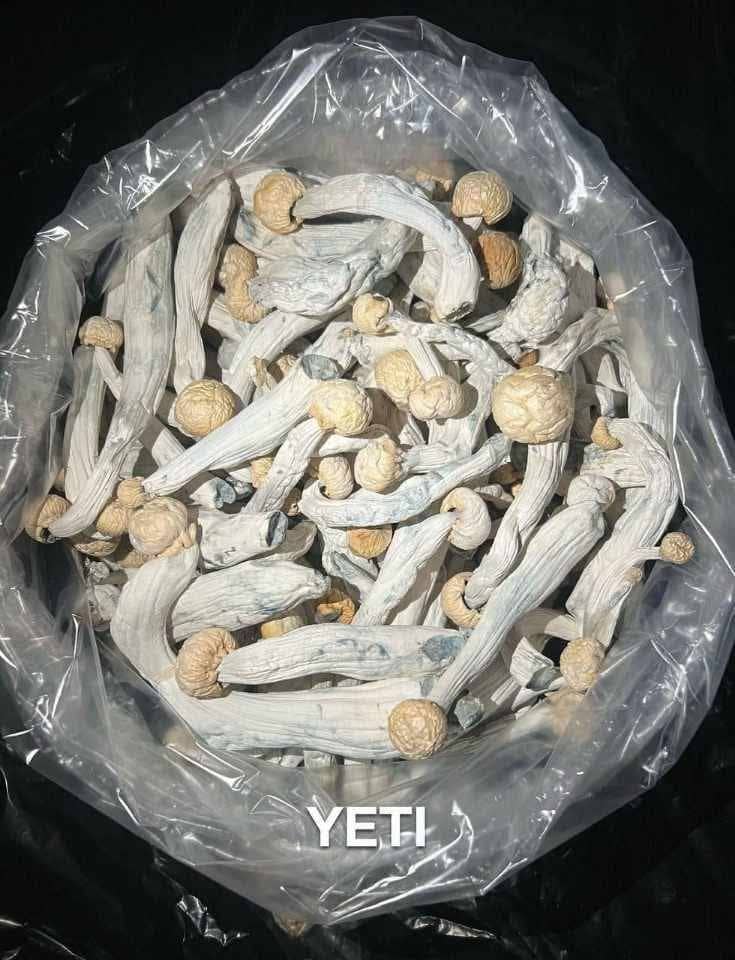
Buy Yeti Mushrooms Behold the Yeti Mushrooms. This rare and sought-after isolation is a direct descendant of the legendary True Albino Teacher (TAT) lineage. Known for its ghostly white appearance and thick, chunky stems, the Yeti is not just a mushroom it is a genetic marvel. Unlike standard strains, Yeti mushrooms prioritize the synthesis of active alkaloids over spore production, resulting in a dense, slow-growing fruit that packs a significantly higher punch than its Golden Teacher ancestors. If you are a researcher looking for the peak of visual acuity and ego-dissolving potential, the Yeti is your final destination. The Yeti Mushrooms Genetic Profile: Why True Albino Matters The Yeti is a stabilized mutation that lacks all pigmentation. In the mycology world, Albino isn’t just about color it’s often a marker for specialized potency. True Albino Lineage: Sourced from the True Albino Teacher (TAT) genetics, Yeti represents a further isolation for size, density, and alkaloid concentration. Leucistic vs. Albino: While some white mushrooms are merely leucistic (low pigment), the Yeti is a true albino, featuring clear/white spores and a complete lack of color even at full maturity. Fruiting Characteristics: Yeti mushrooms are known for their thick, rugose (wrinkled) stems and pale, convex caps that often take on a bluish tint when handled, signaling their high psilocin content. Potency and Effects: The Yeti Mushrooms Depth Researchers consistently rank the Yeti among the heavy hitters, often comparing its intensity to the Penis Envy family. High-Definition Visuals: Expect intricate geometric fractals and a shimmering effect on all surfaces. Euphoric Expansion: Users report a powerful sense of physical lightness and emotional openness. Profound Introspection: Due to its high potency-to-weight ratio, the Yeti is ideal for deep-dive therapeutic research and spiritual exploration. Dosage Guide for Yeti Research Warning: Yeti mushrooms are significantly more potent than standard Psilocybe cubensis. We recommend reducing your typical dose by 30-50% for your first session. Research Level Amount (Dried) Anticipated Experience Microdose 0.05g – 0.15g Cognitive clarity, mood stability, sub-perceptual. Mild 0.5g – 1.0g Color enhancement, flowing textures, light laughter. Moderate 1.5g – 2.5g Strong visuals, ego-softening, deep internal dialogue. Heavy (Heroic) 3.5g Complete ego dissolution; entry into hyperspace. Quality Control & Lab Standards Every gram of Yeti we provide is cultivated in a controlled, sterile environment to ensure medical-grade purity. Organic Substrate: Grown on an organic blend of coco-coir and nutrient-rich grains to maximize alkaloid density. Lab-Verified: Batch-tested to ensure 0% heavy metals, mold, or pathogens. Freshness Lock: Vacuum-sealed with food-grade desiccant to preserve the delicate psilocybin from oxidation. True Albino Teacher (TAT) “Yeti” Variant | Mycological Reference Overview The True Albino Teacher (TAT) lineage is a selectively cultivated Psilocybe cubensis variant known for its leucistic phenotype, often referred to as “Yeti” in cultivation circles. This phenotype is characterised by reduced pigmentation, resulting in pale or near-white fruiting bodies. In controlled mycological and analytical contexts, this variant is primarily of interest for morphological study, genetic expression observation, and alkaloid variability research under laboratory conditions. Taxonomy and Morphological Features True Albino Teacher belongs to the species Psilocybe cubensis, within the family Strophariaceae. The “Yeti” designation typically refers to a stabilized leucistic expression rather than a separate taxonomic entity. Key morphological characteristics include: Cap: Pale white to ivory, smooth surface, reduced pigmentation Stipe: Thick, fibrous, often exhibiting slight blue bruising under mechanical stress (variable expression) Gills: Adnate to adnexed attachment, darkening with spore maturity where sporulation occurs Overall morphology: Compact fruiting structure with reduced visual contrast compared to standard pigmented P. cubensis varieties These traits are commonly documented in controlled cultivation studies focusing on phenotype stability. Chemical Composition (Analytical Context) Like other P. cubensis strains, TAT variants are associated with indole alkaloids including psilocybin and psilocin, alongside minor compounds such as baeocystin and norbaeocystin. From an analytical chemistry standpoint: Alkaloid concentration varies significantly based on growth conditions, substrate composition, and developmental stage Psilocybin may undergo enzymatic or thermal dephosphorylation to psilocin Indole compounds are sensitive to light, oxygen, and heat exposure, which can affect stability and quantification outcomes Detection and quantification are typically performed using LC-MS/MS or HPLC with certified reference standards in controlled laboratory environments. Cultivation and Research Relevance In mycological research contexts, True Albino Teacher is studied for: Phenotypic stability across successive generations Expression of leucism in fungal development Mycelial growth behaviour under controlled environmental parameters Substrate response variability and contamination resistance Research is conducted under sterile laboratory conditions using standard fungal cultivation techniques where legally permitted and institutionally approved. Storage and Specimen Preservation (Scientific Context) For research or reference purposes, preservation methods may include: Low-temperature dehydration of fruiting bodies for morphological stability Storage in airtight, light-protected containers with desiccants Refrigerated or frozen storage for biochemical stability studies (protocol-dependent) Agar culture maintenance or spore storage for genetic comparison studies Proper handling is essential to prevent degradation of structural and chemical integrity in research samples. Analytical and Laboratory Applications In controlled scientific settings, material associated with Psilocybe cubensis variants may be used for: Comparative alkaloid profiling using chromatographic techniques Mycelial growth rate analysis under variable environmental conditions Microscopic examination of spore and hyphal structures Method development in forensic toxicology for indole alkaloid detection All applications are strictly intended for qualified personnel operating within regulated laboratory or academic frameworks.
Related products
-
 Quick View
Medicated Nerd Rope 400mg | Guava Ice Exotic THC Edible
$ 14.21 Select options This product has multiple variants. The options may be chosen on the product page